.png)

Japow in Juneau: Eaglecrest’s Economic Impact

By Katie Bausler
Just when I think the incessant snow may wane with the dawn of spring, the snow globe fires up one more time. Showers of fat, fluffy flakes float over Douglas Island. Looking out the living room windows, we eyeball persistent inches of snow lining the deck rails. Last week the record was set for the snowiest March since the winter of 2006-2007.
I could be looking out the window of a hostel in northern Japan, to which my husband, son and I made a February pilgrimage for what is known in the global snow sliding community as “Japow.” One of the few places on earth where skiers and boarders can depend on bottomless fresh fallen yuki (snow in Japanese), at least in the first two months of the year.
We spent the most time at a low-key family-oriented ski area called Tazawako, the vibe not unlike Eaglecrest. It looks over Lake Tazawa, reminding us of ski resorts near Lake Tahoe in California. We didn’t flinch at the slow lifts or fitful low visibility at the summit. It was just like home, along with divine turns in the well-spaced (for me) trees and gullies.
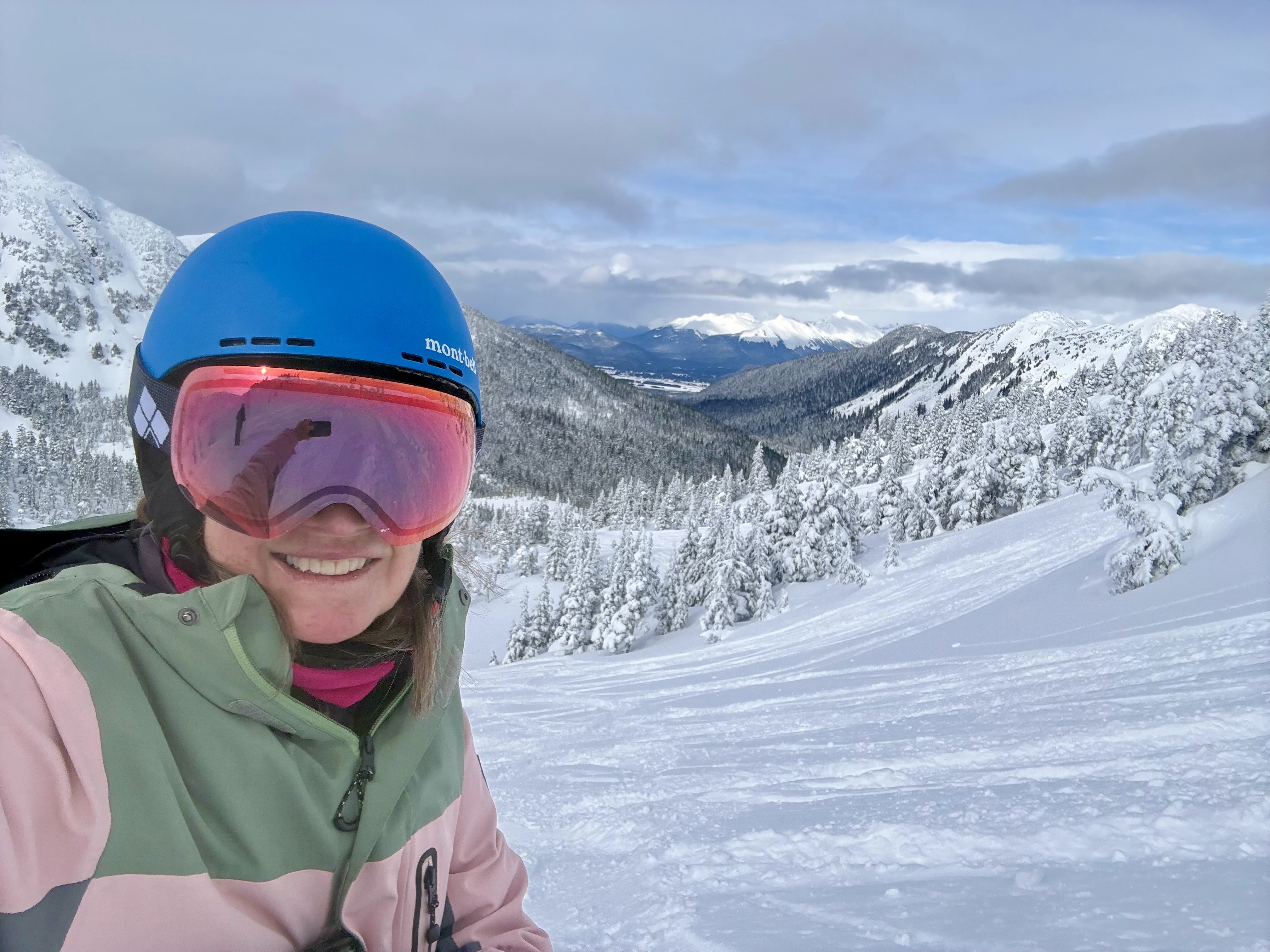
Lately our city-owned ski area felt like Japan for me and my ski buddy Linda, also recently returned from the land of warm smiles and heated toilet seats. We swish and swirl through layers of fresh light snow on our favorite runs, pinching ourselves. Hoots and hollers of sheer joy emanate up and down the mountain. Clomping through the lower door of the base lodge, we run into Stewart, who has snowboarded here for decades.
“I think I just took the best run of my life in the West Bowl,” he proclaims.
It’s a March miracle in our temperate rainforest.

As we hurtle towards April, ski areas across the West are closing due to lack of snow and unseasonably high temperatures. Not so at our scrappy community mountain, which consists of a bunny hill called Porcupine, Hooter, a lower mountain lift nicknamed for the grouse, and the summit-bound Ptarmigan, for the state bird.
I rode up Hooter with a construction worker from Gunnison, Colorado, who brought his two sons to Juneau for their spring break from middle school. He said it was 80 degrees where they live. Their home mountain of Crested Butte just closed after a “weird” season, which included peaks hardened with un-skiable ice. His kids were “just loving it,” hurtling their bodies from promontories with soft landings at Eaglecrest.
As we munched cheese and apples with our grand twins in the day lodge, I met a young family from Whitehorse, Yukon. After a winter at 40 below and not much new snow of late, they looked up conditions in the sister city and made their way across the border. Just out the back door basking in the sun was a friendly chap from Seward.
As I extract my powder skis from the locker, my fellow locals tell of riding up Ptarmigan with folks from Vermont, New York and Minnesota. All made the quick decision to fly here and ski Eaglecrest for the weekend. There’s even a rumor of people on Douglas Island from Japan and Korea. As I look down from the lift, a mother and young girl take a pause. The mom speaks to her daughter in a foreign language. Maybe Korean?
This season we’re a global destination for powder snow addicts. Haines backcountry ski guides ferried several groups to Eaglecrest because the weather up there was too stormy to fly. Kevin, who runs a local heli-ski business, brings clients from all over the country here.
As reported in the online journal SnowBrains, “Truthfully, Eaglecrest itself feels like a giant stash (spot) of the entire North American ski industry.”
On a good day, more cars may be in the Eaglecrest parking lot than anywhere else in the City and Borough of Juneau. To see that snow riders from all over the world are getting the memo about Alaska’s so-called Best Kept Secret is truly heartening.
Weeks before the start of cruise ship season, these late winter independent travelers book hotels and Airbnbs, purchase goods in grocery and outdoor equipment stores, dine in restaurants, sip après-ski drinks in local beverage establishments, and of course, buy lift tickets.
At a packed meeting earlier this year, millennial professionals who grew up in Juneau and Douglas told CBJ Assembly members that Eaglecrest clinched their decision to make careers, start businesses, buy homes and raise families here.
As city leaders hash out Eaglecrest’s future amidst budget shortfalls, it’s clear that our ski area is central to a sustainable economy, fueled by both locals and visitors.
• Katie Bausler is a writer, podcaster and radio host. She and her family live in Douglas. This article was originally published at Katie B.’s Chronicles.